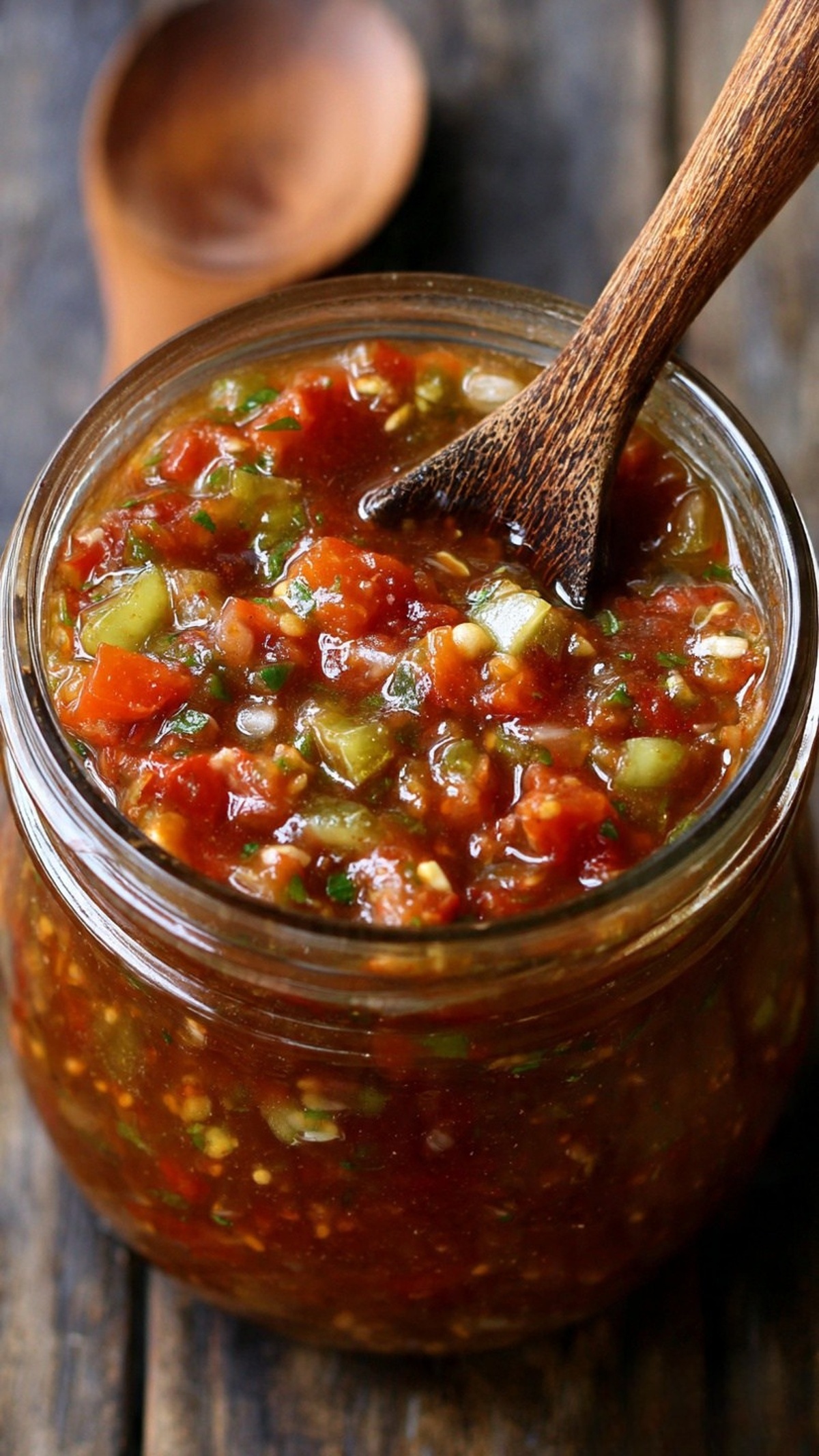
I first got hooked on roasted salsas at a tiny family-run spot in Mexico City, where the salsa bar was almost more exciting than the tacos. One bowl in particular stood out: a mix of tomatoes and tomatillos that had this bright, smoky flavor I couldn’t stop thinking about. It was bold but not heavy, and it worked with everything on the table.
When I came home, I started tinkering with a version that didn’t need a special setup or rare ingredients. This roasted tomato and tomatillo salsa is the result: a simple, affordable recipe you can make on a stovetop griddle or outdoor grill. It’s great for chips, but honestly it’s even better for upgrading leftovers, taco nights, eggs, or grilled meats. If you like experimenting with different chiles or playing with spice levels, this one’s fun to customize and easy to repeat.
A Favorite to Share: Making Roasted Tomato And Tomatillo Salsa
Things to Grab
- 4 vine-ripe tomatoes (or 2–3 larger tomatoes)
- 2 tomatillos, husks removed
- 1 serrano pepper
- 1/2 cup fresh cilantro (loosely packed)
- 1/2 Spanish onion, peeled and halved
- 1 fresh lime (or about 3 tablespoons lime juice)
- 1 tablespoon vegetable oil
- 1/2 tablespoon kosher salt, plus more to taste
What to Do
- Preheat your cooking surface. Set a large griddle, cast iron pan, or grill over high heat. Give it several minutes to get really hot so the vegetables char instead of steaming.
- Prep the vegetables. Rinse the tomatoes, tomatillos, onion, and serrano. Peel off the papery husks from the tomatillos and scrub away any sticky film under running water so they roast evenly.
- Oil the pan lightly. Once the griddle or pan is hot, brush on a thin, even layer of vegetable oil—just enough to coat the surface. You don’t want visible puddles of oil.
- Start roasting. Place the tomatoes, tomatillos, onion half, and whole serrano pepper directly on the hot surface. Let them cook undisturbed for about 5 minutes to build a good char.
- Turn and continue charring. Flip everything and cook another 5 minutes. From here, turn the vegetables every couple of minutes so all sides get contact with the hot surface.
- Cook until softened and blistered. Keep roasting and rotating for up to 30 minutes. The skins should be blistered and blackened in spots, and the vegetables should feel softened when you press them gently. Don’t worry if they look quite dark—that’s flavor.
- Cool slightly. Transfer the roasted vegetables to a plate or tray and let them cool for about 15 minutes, just until they’re comfortable to handle and not piping hot.
- Trim the stems. Cut off any stems from the tomatoes, tomatillos, and serrano. You can leave the charred skins on; that’s where a lot of the smoky taste comes from.
- Blend the salsa. Add the roasted tomatoes, tomatillos, onion, and serrano to a blender. Squeeze in the lime juice (or pour in the 3 tablespoons), add the cilantro and 1/2 tablespoon kosher salt.
- Pulse to your preferred texture. Pulse on medium in 3-second bursts until the salsa is a medium consistency—slightly chunky with no large pieces of tomato or onion. Stop blending as soon as you like the texture; over-blending will make it too smooth and watery.
- Adjust seasoning. Taste and add more salt if needed. Tomatoes soak up salt, so you may need another pinch or two to wake up the flavor.
- Chill or serve. For a more developed flavor, transfer the salsa to a container, cover, and refrigerate for about 2 hours. If you’re in a hurry, you can serve it at room temperature right away.
- Enjoy. Serve with tortilla chips, spoon over tacos, grilled meats, eggs, or any savory dish that needs a bright, smoky kick.
Getting That Perfect Char
The key to that classic roasted salsa flavor is high, direct heat. If your pan or grill isn’t hot enough before you add the vegetables, they’ll steam and turn soft without creating those delicious blackened spots. Give your surface time to preheat thoroughly, and don’t crowd the vegetables—leave a bit of space so moisture can escape. If you’re using a grill, place everything over direct heat at first for charring, then move to indirect heat if they’re darkening too quickly but still feel firm. With a stovetop griddle or cast iron, keep the heat on the higher side and resist moving the vegetables too often. Let them sit long enough to develop dark patches before turning. If you see only light browning, increase the heat slightly and keep going until you get deep blistering and softness.
Adjusting Heat and Spice
This salsa is very easy to customize for different heat levels. The serrano pepper is the main source of spice, and you can tweak both the amount and how you prep it. For a milder salsa, use only half a serrano or remove the seeds and inner membrane after roasting (they come out more easily when soft). For a medium heat, keep the whole serrano but seed it, or swap in a jalapeño. If you love spicy food, keep the seeds and add an extra serrano or even a small roasted habanero, blending in a little at a time and tasting as you go. You can also balance heat with extra lime or a bit more salt—both help the flavors feel bright rather than harsh.
Serving and Storage Tips
This roasted tomato and tomatillo salsa does double duty as a dip and a condiment, which makes it great for frugal cooking. Serve it with tortilla chips, spoon it over tacos, burritos, quesadillas, or use it as a quick topping for grilled chicken, fish, or roasted vegetables. It’s also excellent with scrambled eggs or breakfast burritos. For storage, transfer the salsa to a clean, airtight container and refrigerate. It keeps well for about 4–5 days, and the flavors often improve after the first 24 hours as everything melds. If it separates a bit in the fridge, just give it a quick stir before serving. For longer storage, you can freeze it in small portions; the texture will be slightly softer after thawing, but it still works well as a topping or cooking sauce.
What People Usually Ask
Can I make this salsa without a grill or cast iron pan?
Yes, you can still get good results using a regular oven or even a broiler. Arrange the tomatoes, tomatillos, onion, and serrano on a foil-lined baking sheet, lightly oiled, and roast at a high temperature—around 450°F (230°C)—until they’re softened and charred in spots. For even more color, you can switch to the broiler for the last few minutes. Keep a close eye so they don’t burn completely through. The flavor will be slightly different than a griddle or grill, but still smoky and rich enough for a great roasted salsa.
Why does my salsa sometimes turn out watery, and how can I fix it?
Watery salsa usually comes from over-blending or using very juicy tomatoes that release a lot of liquid. To avoid this, start with pulsing instead of continuous blending and stop as soon as you reach a chunky texture. If it’s already too thin, you can blend in an extra roasted tomato or tomatillo, or even a small piece of raw onion or a few extra cilantro stems to thicken it slightly. Letting the salsa chill in the fridge also helps it thicken as flavors meld and some liquid reabsorbs. Stir before serving and adjust salt and lime again if needed.
Roasted Tomato and Tomatillo Salsa
Equipment
- Large griddle or cast iron pan
- Blender
- Tongs
Ingredients
- 4 vine ripe tomatoes or 2–3 larger tomatoes
- 2 tomatillos husks removed and rinsed
- 1 serrano pepper
- 1/2 cup cilantro loosely packed
- 1/2 medium Spanish onion outer skin removed; cut in half (reserve other half for another use)
- 1 fresh lime or 3 tablespoons lime juice
- 1 tablespoon vegetable oil for coating the griddle
- 1/2 tablespoon kosher salt plus more to taste
Instructions
Roasting on the grill or griddle
- Preheat a large griddle, cast-iron pan, or outdoor grill over high heat until very hot.
- While the surface warms, remove husks from the tomatillos and rinse away any sticky residue. Peel and halve the onion and rinse the tomatoes and serrano pepper.
- Brush a thin layer of vegetable oil over the hot griddle or pan to prevent sticking.
- Place the tomatoes, tomatillos, onion halves, and serrano on the hot surface. Cook about 5 minutes, then flip each piece to the opposite side.
- Continue turning the vegetables every few minutes until they are charred on multiple sides and softened—this may take up to 30 minutes. Expect sizzling and occasional popping.
- Remove the roasted vegetables from heat and allow them to cool for about 15 minutes.
Making the salsa
- Trim any stems from the tomatoes, tomatillos, and serrano before processing.
- Place the cooled, charred vegetables into a blender along with the lime (or lime juice), cilantro, and kosher salt.
- Pulse in short bursts on medium speed until the mixture reaches a medium-textured consistency—slightly chunky but without large pieces. Adjust the number of pulses to make the salsa thicker or smoother.
- Taste and add additional salt if needed; tomatoes and tomatillos can absorb salt so adjust to preference.
- Transfer the salsa to a container and refrigerate for about 2 hours if you prefer it chilled, or serve immediately at room temperature.
- Serve with tortilla chips or alongside your favorite savory dishes.